Jackson Clayton

Poppy Playtime: Escape Trials
I led the gameplay and system design that brought Poppy Playtime’s horror mechanics into Fortnite, helping the project reach 10,866 concurrent players at peak. My role was to bridge design and engineering, making complex systems feel cinematic, readable, and reliable under UEFN’s constraints. I owned the core gameplay flow, AI systems, interaction logic, UI feedback, round management, and world driven progression, while documenting every system for designers to extend safely.
Responsibilities:
-
Verse Programming (including Scene Graph)
-
Mechanics
-
Gameplay Design
-
Technical Documentation


Pre-Production

Gathering References
Spent the first week deconstructing Poppy Playtime’s gameplay loops and multiplayer prototypes to identify which mechanics could be rebuilt within Fortnite’s UEFN framework.
Mapped out system equivalents (vent traversal, chase pacing, AI triggers) to ensure the IP’s tone could be recreated without relying on custom physics or animations.
Compared behavioral loops from viral multiplayer titles like Among Us and Lethal Company to prototype scalable player task systems.
Defined clear technical pillars to guide implementation, task randomization, AI pressure logic, vent routing, and fail state flow.

Experience Pillars
-
Co-op Survival Systems: Built task and progress structures that enforce teamwork through shared objectives and failure conditions.
-
Dynamic Replayability: Designed randomized task pools and modular maze layouts to generate new player experiences every round.
-
Escalation Logic: Tuned spawn scaling and wave timers using Verse curves to keep tension building toward the finale.
-
Horror Payoff Systems: Structured round logic around a climactic escape phase that syncs AI aggression, lighting, and audio cues.
Gameplay Mechanics
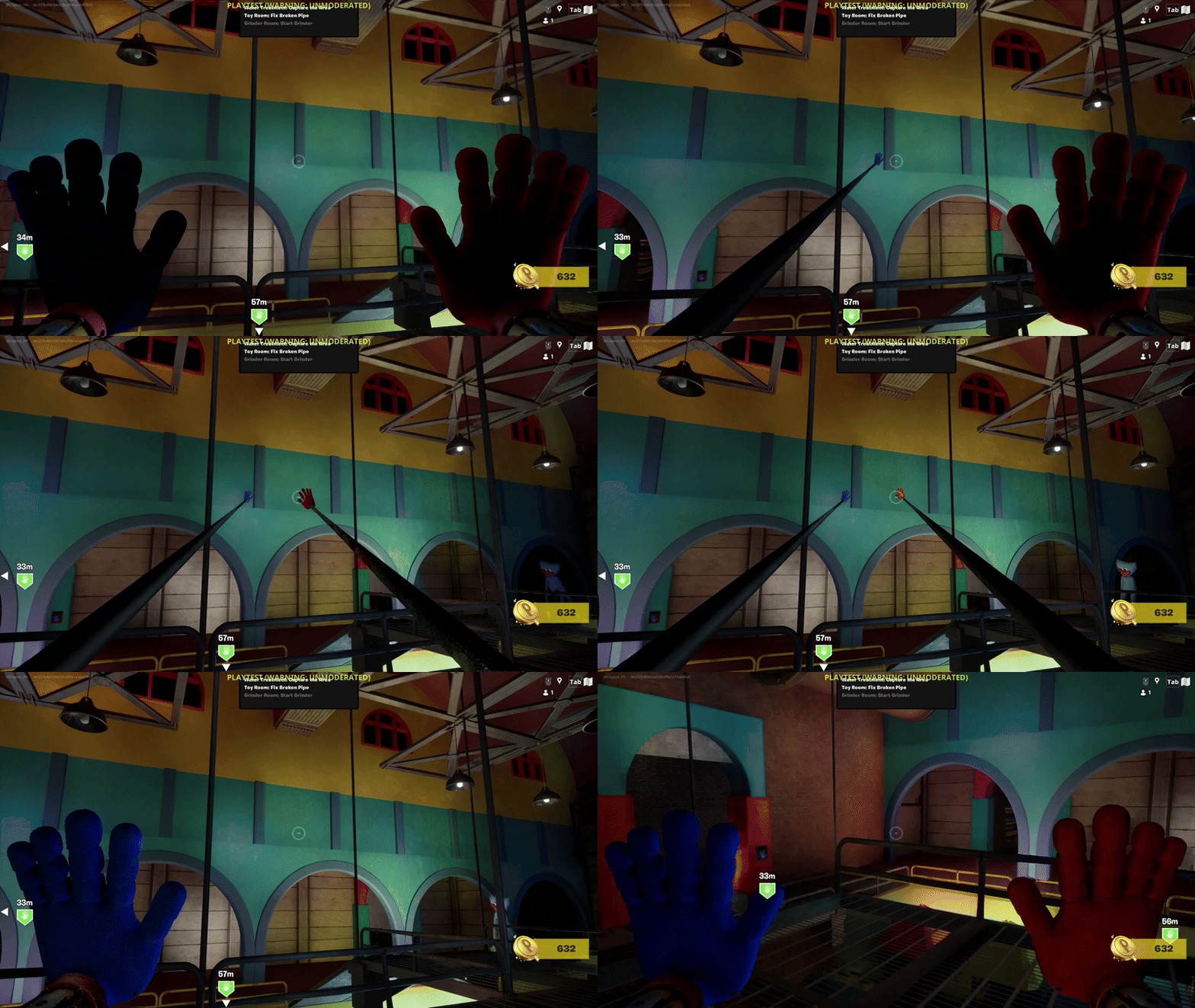
GrabPack (fps_hands_device)
I rebuilt the GrabPack entirely in Verse to create scalable, network safe interaction logic using prop-based pseudo raycasts. I managed cooldowns, transforms, and input states while integrating sound and UI feedback to make the mechanic feel responsive and readable.
I used async Verse calls to sync multiplayer hand actions across all clients, keeping behavior consistent and flexible for future interaction systems.
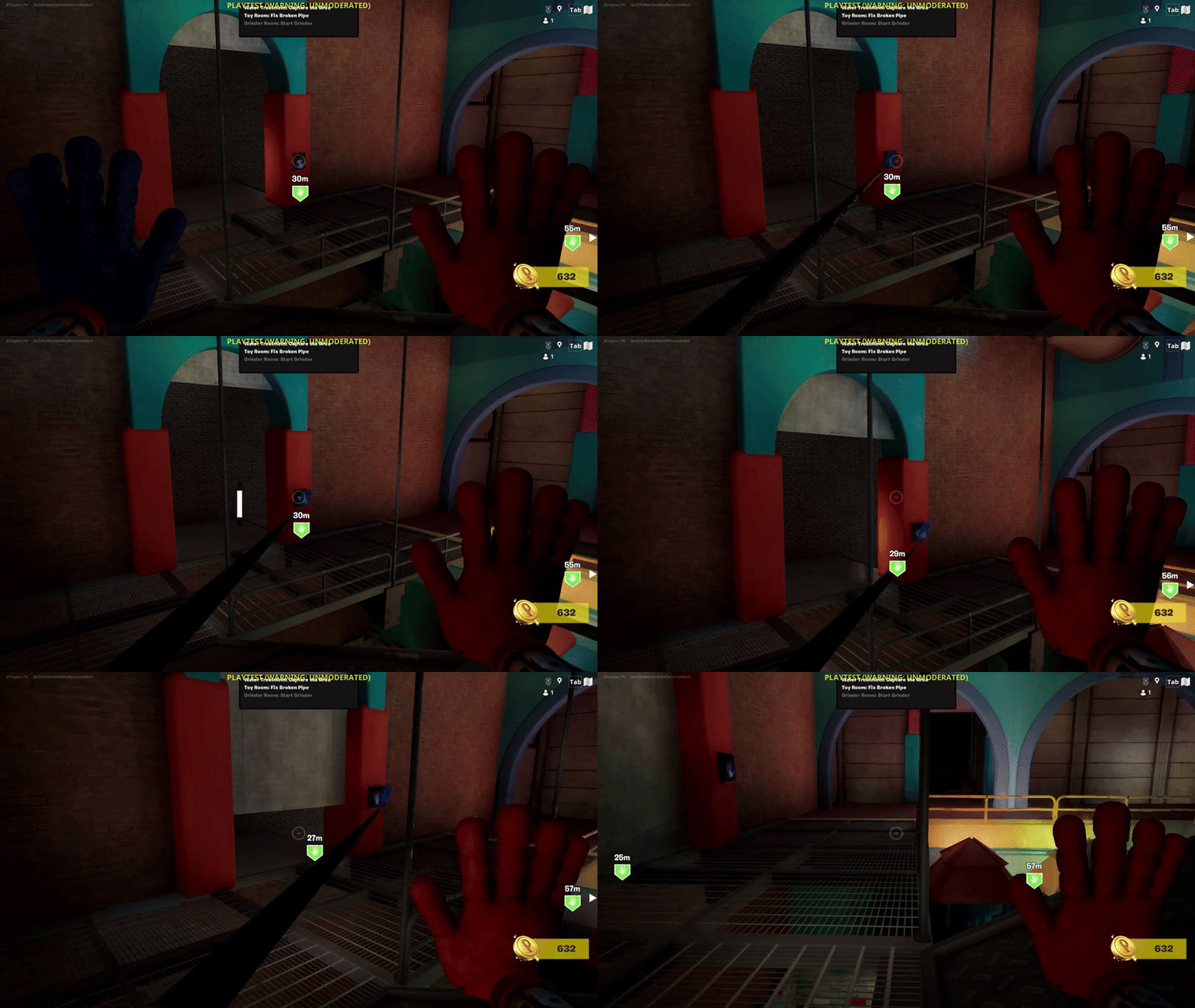
Interaction System (filtered_trigger_component)
I created a universal interaction framework for puzzles, switches, and minigames that unified player feedback through Verse. I handled progress tracking, validation, and mesh visibility to ensure clear and consistent interactions.
I designed the system so designers could connect devices directly in the scene graph without additional coding, reducing iteration time and standardizing gameplay logic.
Systems & Architecture
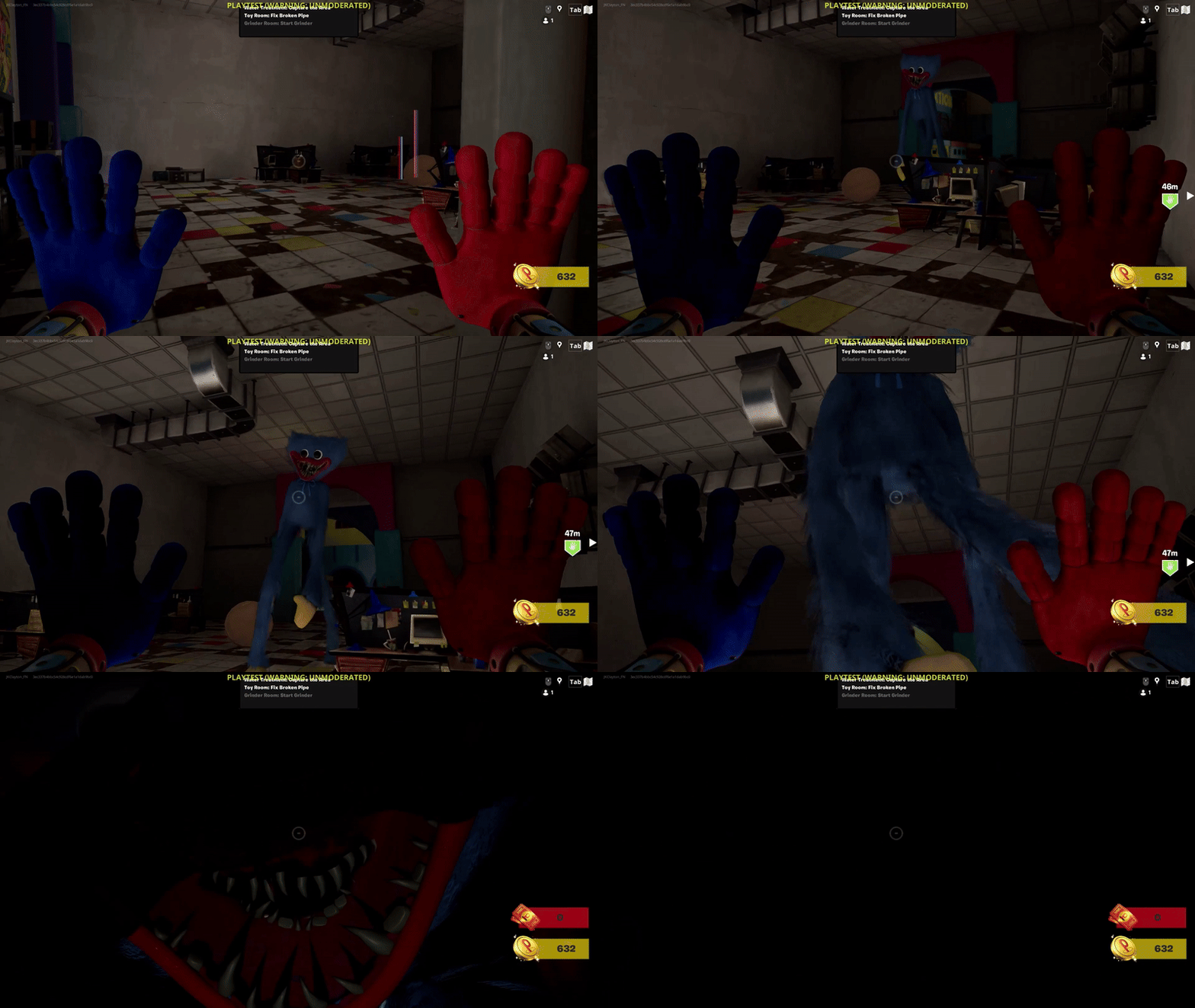
AI Navigation (stalker_guard_device)
I built a scalable AI system that supports multiple dynamic stalker enemies adjusting behavior based on player proximity and grouping. I optimized pathfinding to keep performance stable while maintaining readable, high pressure encounters.
Through iteration, I balanced AI aggression and pacing so the experience stayed tense but fair across multiplayer sessions.
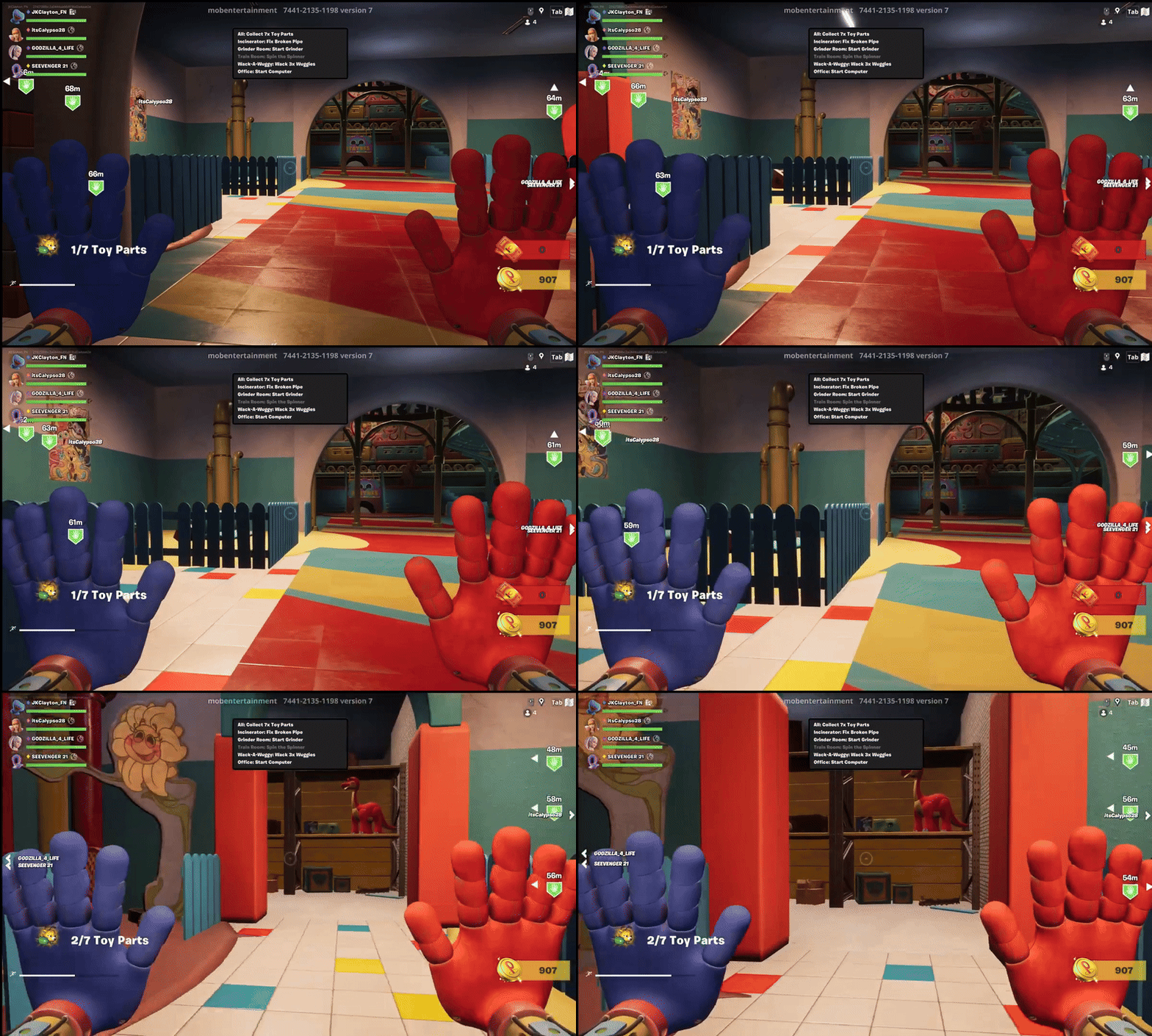
Round Manager (round_manager_device)
I developed a modular round manager that resets the game state, randomizes objectives, and automates replay flow for continuous sessions.
I designed it for expansion, allowing teammates to add new objectives or encounters without modifying core code, improving scalability and iteration speed across updates.
Technical Design Challenge
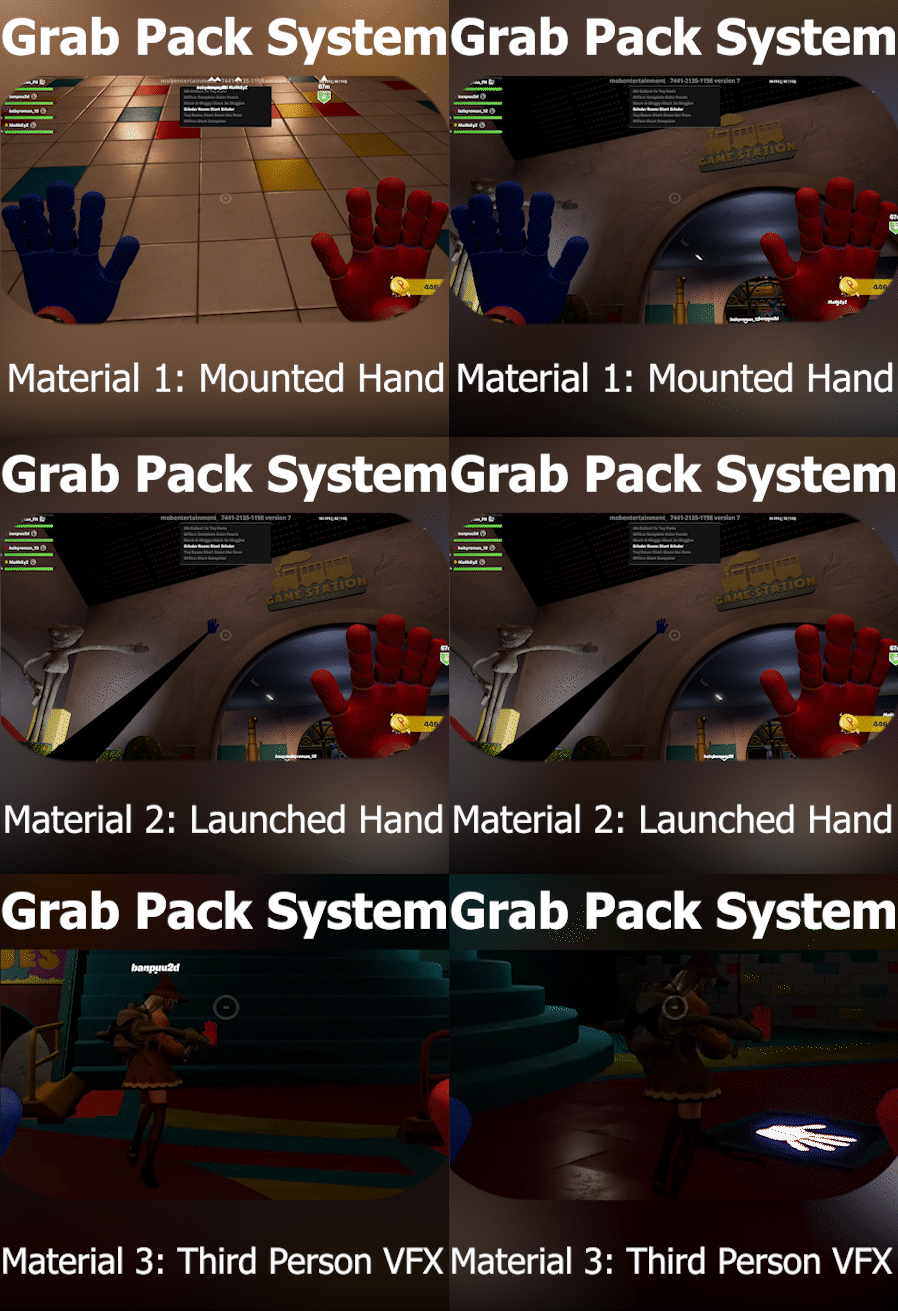
To faithfully bring the Poppy Playtime Grab Pack into our UEFN multiplayer experience, I built a fully network safe FPS hand system with animation, skinning, and visibility control.
Since VFX powerups cull in too much first person, I switched to a skeletal mesh with a custom WPO material that locked the hands to the camera and preserved full animation control.
For third person, we used a separate Niagara Grab Pack on the player’s back so others could see your hands without affecting first-person.
To handle player-specific visibility and skin selection, I built a Material Parameter Collection + Sequencer pipeline:
-
MPCs stored per-player so only your hands are visible.
-
Material Functions also work with MPCs for player skins
This kept the Grab Pack authentic and consistent within UEFN’s rendering and networking limits.
Systems & Architecture
AI Navigation (stalker_guard_device)
I built a scalable AI system that supports multiple dynamic stalker enemies adjusting behavior based on player proximity and grouping. I optimized pathfinding to keep performance stable while maintaining readable, high pressure encounters.
Through iteration, I balanced AI aggression and pacing so the experience stayed tense but fair across multiplayer sessions.
Round Manager (round_manager_device)
I developed a modular round manager that resets the game state, randomizes objectives, and automates replay flow for continuous sessions.
I designed it for expansion, allowing teammates to add new objectives or encounters without modifying core code, improving scalability and iteration speed across updates.
Design Choices
Gameplay Design & Mechanics Integration
Designed the Survive → Escape loop, syncing music, fog, and vents to build tension. Built scoring and progression systems, tuned dynamic scaling for smaller teams, balanced AI pressure through smart targeting, and integrated teleporters as in world recovery points.
Worldbuilding Through Systems
Linked fog, vents, and lighting to phase logic for story pacing. Built cinematic transitions through Verse timing, aligned visual tone with escape sequences, and collaborated with artists to ensure environments supported gameplay triggers.
Documentation & Collaboration
Authored Verse setup guides for adding tasks and triggers. Created consistent naming and flowcharts for major systems, added debugging prompts, and worked with level and cinematic teams to sync pacing with story moments.
Playtesting & Reliability
Participated in biweekly playtests to refine readability, balance, and AI behavior. Used telemetry to track pathing and scaling errors, automated state resets for faster iteration, and tuned feedback and timing based on player data.
Design Impact
Made horror systems fair and readable through reactive lighting and audio. Adapted Poppy Playtime’s mechanics faithfully to Fortnite, supported 10K+ CCU with stable logic, and delivered a scalable design foundation reused by other UEFN teams.
Technical & Design Takeaways
Specialized in Verse async and transactional logic for live reliability. Translated creative design goals into modular, scalable systems, wrote documentation for safe expansion, and owned full gameplay pipelines—mechanics, AI, UI, and reset logic.