Jackson Clayton

Warrior Tycoon
Joined a small strike team at CreatorsCorp to extend the studio’s Tycoon Kit and develop a Wasteland styled Tycoon experience timed with the Mad Max/Fallout thematic wave. Contributed to systems, layout, and progression to make the map feel fresh while staying within the studio’s toolset. It launched strong, earned an Epic’s Picks feature, and was later handed off for long term support from the internal team.
Responsibilities:
-
Worldbuilding
-
Level Design
-
Gameplay Design
-
Design Documentation


Pre-Production


Gathering References
I built the full pitch deck for Wasteland Tycoon, outlining the vision, core loop, map structure, progression, and long-term potential. The slideshow aligned the team, justified the project’s timing with the Fallout show, and distilled a complex multi-system design into something leadership could quickly evaluate.
Working on it helped to sharpen my ability to communicate systems clearly, scope realistically, and present designs in a way that supports greenlighting and team alignment.


Initial Floorplans
I designed the shelter and wasteland layout diagrams to visualize player flow, upgrade paths, and how both spaces connect.
These layouts helped the team quickly understand scale, navigation, and system dependencies, turning a complex multi-area design into something easy to evaluate, build from, and scope accurately.
Prototype
We were asked to build a small-scope prototype to secure full greenlight. The team delivered a focused, short term version of the experience, and the internal team loved it, approving the full production immediately afterward.

Inside Area
I designed and built the full cave area where players build their tycoon bases. My goal was to have a large, multi level space to encouraged vertical navigation and constant movement between different functional rooms. I also placed all the bases within sightlines of each other so players could watch each other progress in real time, and create subtle competitive pressure.
This reinforced progression, boosted player motivation, and showed my ability to build clear, high-impact spaces.


Outside Area
While I didn't build the exterior area, it was an important part of the prototype.
Players constantly moved back and forth between the underground base and surface, so we designed both areas with strong color contrast and clear navigation cues to allow for easy back and forth flow.
Prototype Lessons Learned
The main lessons we learned from the prototype were that we needed stronger connections between the interior and exterior spaces, more gameplay beats to prevent players from losing interest when the pacing drops off, and a less linear, more open world to support player freedom and long term engagement.
Layout Breakdown
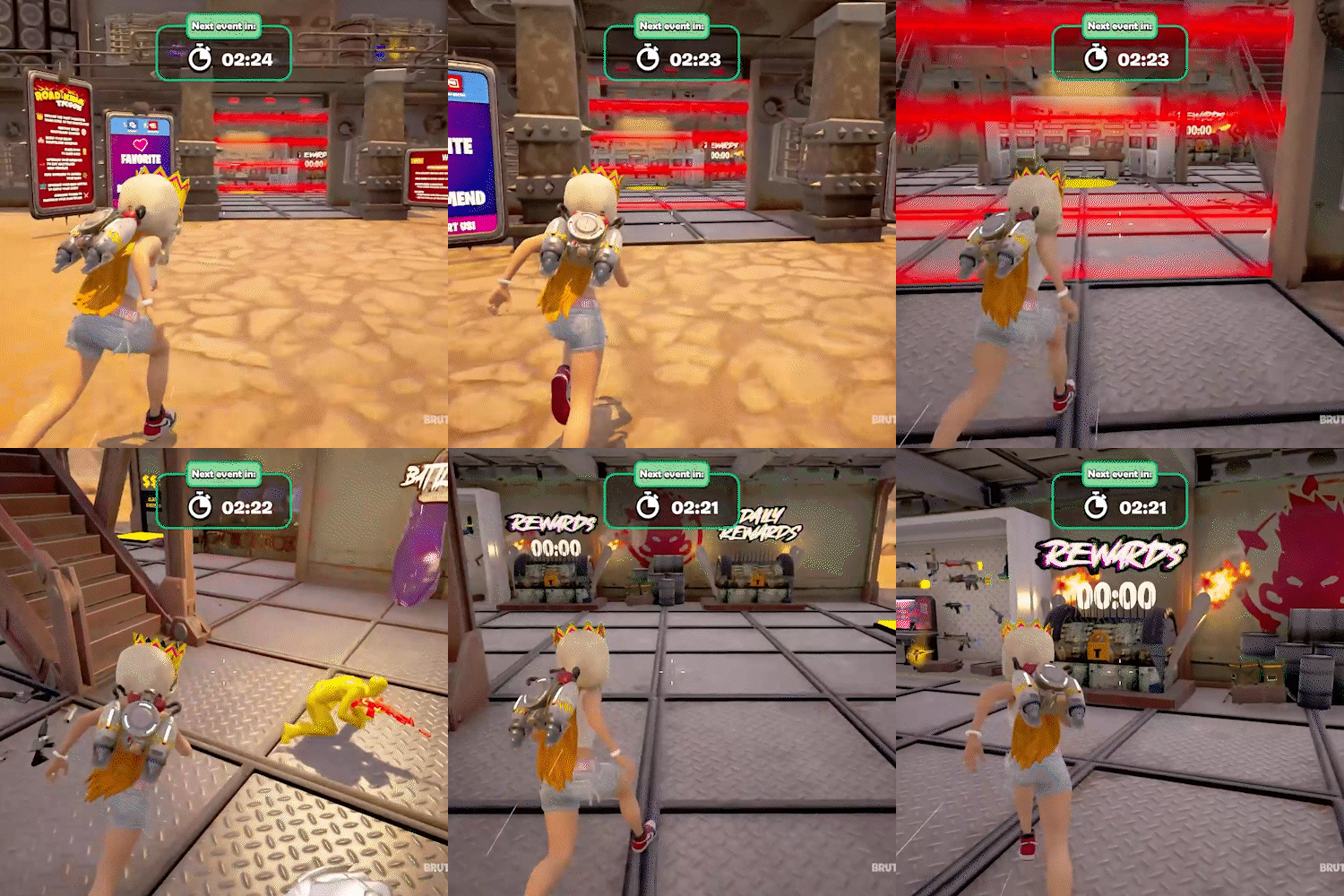
First Floor
The first floor is built for onboarding. It introduces every core mechanic in a simple, readable way and gives players room to experiment. The pacing is light and approachable, helping players understand the full system before the economy ramps up.
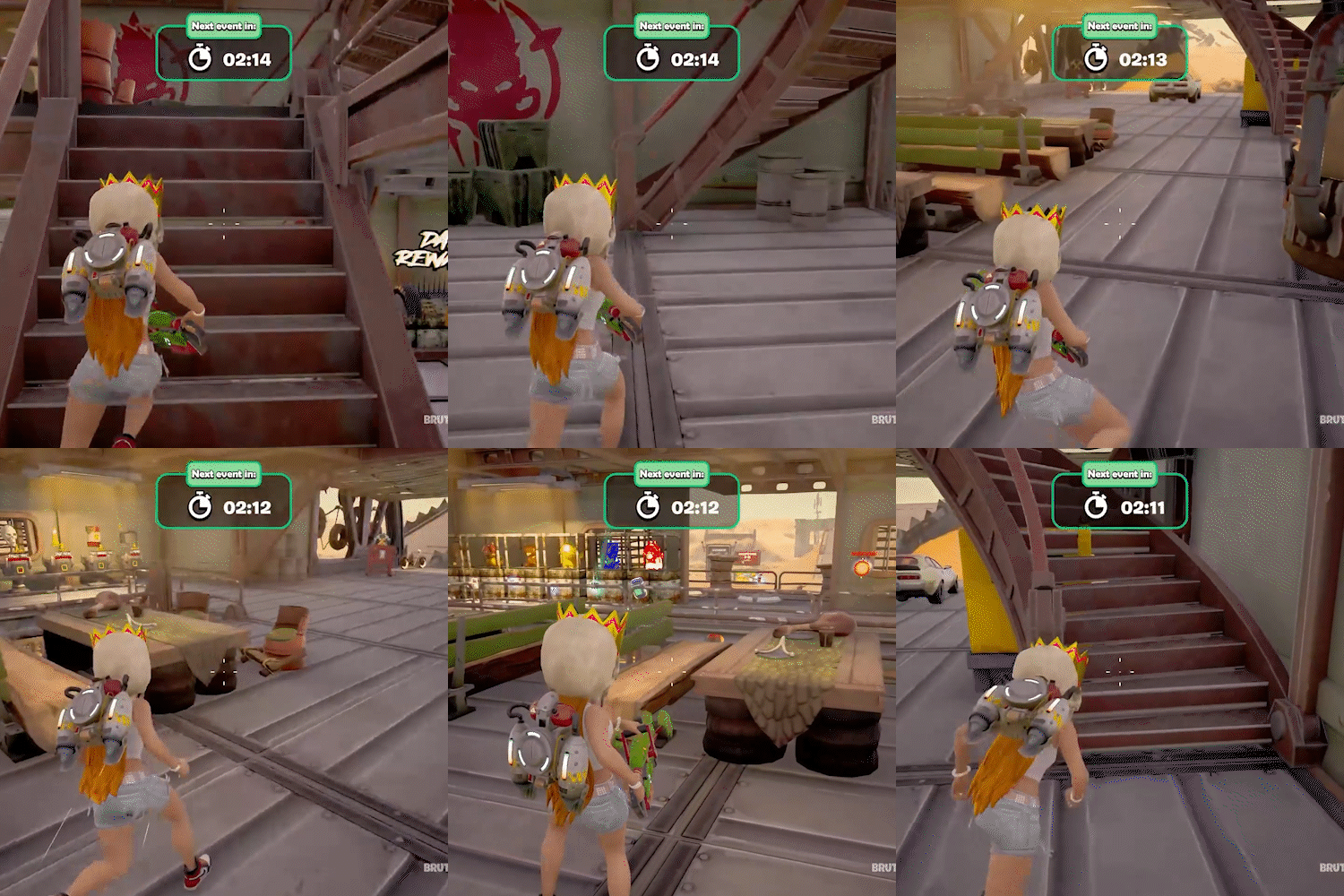
Second Floor
The pacing slows down here to create a mid-game plateau where cosmetic purchases start to matter. Players begin earning much more money, and each upgrade feels more meaningful. This floor gives them room to personalize their build and settle into the loop.
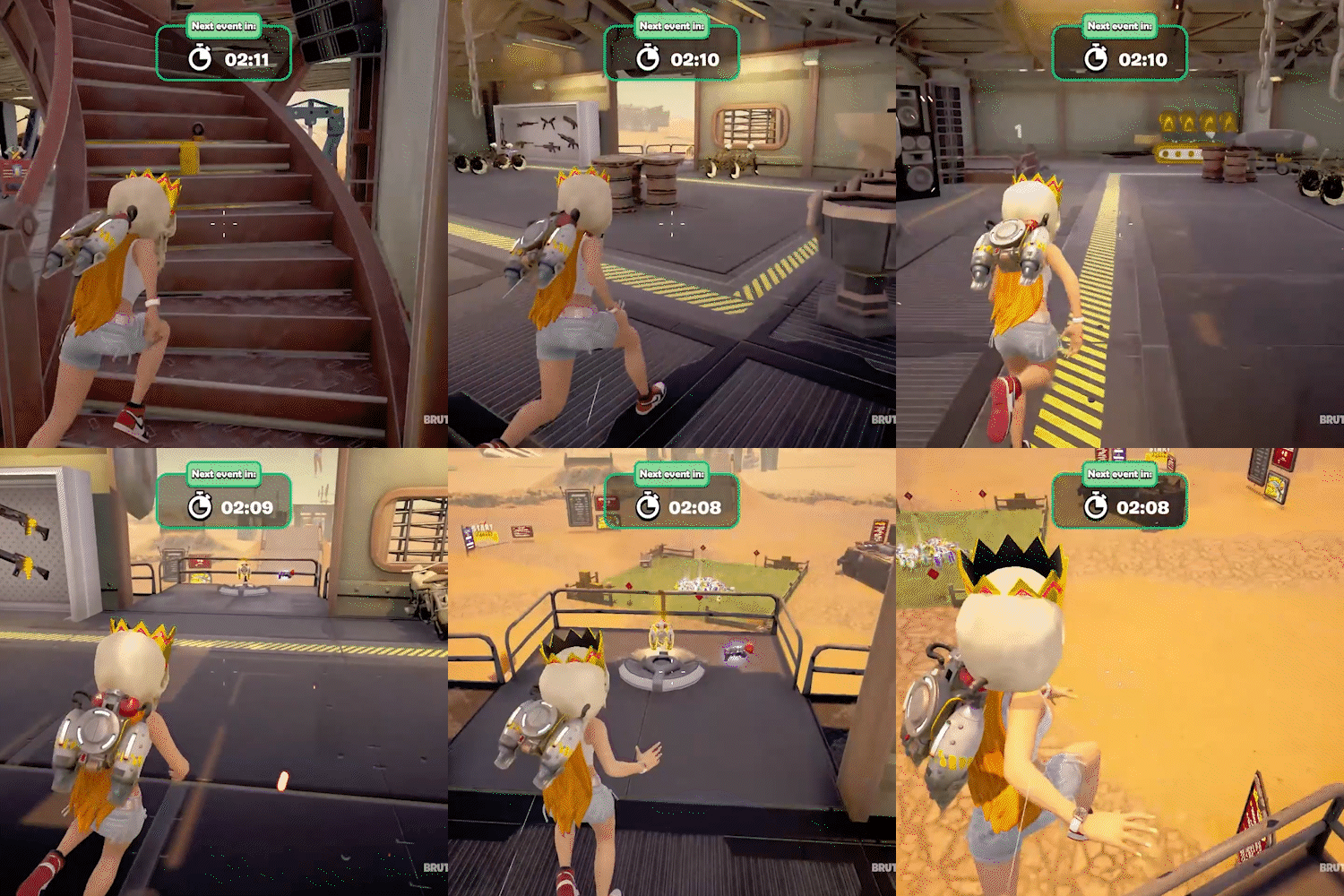
Third Floor
This is the late-game payoff. There is a surge of gold, fast purchases, and a final climb in pace before things wind down. At the end, players can restart the tycoon from scratch if they want to, but it is mainly designed as a showcase floor where they can show friends their fully built base.
Design Choices
Onboarding
We spent a lot of time tightening the early experience so players learned the tycoon systems naturally. Mechanics were introduced in small steps that felt active instead of tutorial-heavy, and we tested several versions to find the right pace.
Cinematic Progression
The jump ramp into the outskirts became a signature beat in the final game. It creates a big excitement spike and cleanly signals that the world is opening up, which helped the larger loop land better than in the prototype.
Purchase Timing
I tuned the time between tycoon upgrades so gaps never felt empty and rewards never felt trivial. Every purchase needed to feel like a real step in progression.
Early Combat
Players get a weapon much sooner than in the prototype. This lets bored players jump into fights instead of waiting around, which reduced early-session dropoff. We also tuned damage, ammo, and spawn flows so players on the receiving end would not feel helpless or trolled.
Capturable Towns
I worked with the team on how the outskirts towns fed back into core progression. Even though I didn’t design the towns themselves, I helped ensure their capture mechanics, rewards, and pacing fit naturally into the main loop.
Keeping Players Active
We added short term goals like reward timers and optional combat so players always had something to do. Even with extra activities, the main path through the tycoon remained easy to follow.